

Article At a Glance:
AI is an emerging technology that often sells itself as an expert resource. Other more traditional and human support options are better suited for crisis situations.
Key Points:
- AI tools such as large language models are designed to return queries with fast and affirming answers
- Using large language models for support with mental health has led to worsening symptoms and increased risk of danger
- When in a mental health crisis, we need to turn to trusted experts to stay safe and get connected to resources.
- Crisis lines, talking with a loved one, or journaling can provide safer mental health support during hard moments
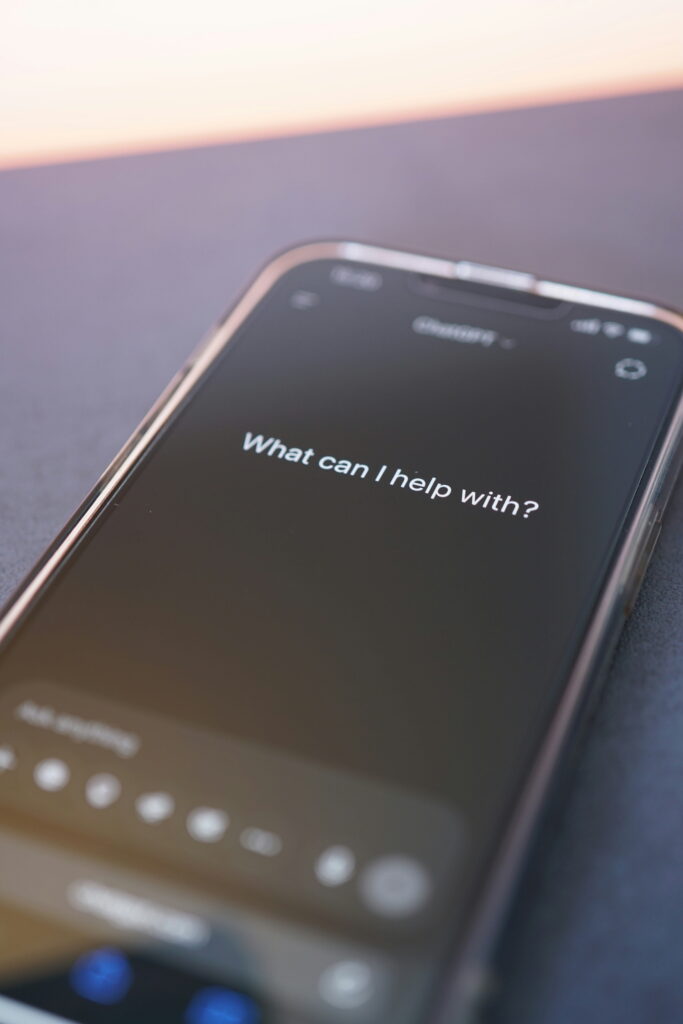
It feels like each day we wake up to news of technological innovations. Some new tech is undoubtedly good, some undoubtedly bad, and others we may need more time and testing to assess. Unless you’ve been living under a rock, you’ve likely heard the buzz about AI tech or artificial intelligence technology. This is a broad term that includes several pieces of technology we’ve already been using for years, including autocorrect on keyboards, spam filters on email, and suggestion algorithms on social media. Though, the AI technology that many people are hearing about lately are large language models such as ChatGPT, Claude, and Gemini.
Large language models are advanced programs that are fed endless amounts of data specifically related to language and communication. These programs compute all this language data to become very good at predicting which words it should spit out when asked a question. These large language models, or LLMs, are able to piece out meaning based on whole sentences and use that meaning to provide answers that they compute are most likely to be satisfactory to the user. With the priority of these models being fast and affirming answers, many users have come to see these services as easy ways to retrieve information about anything and everything. The quality, accuracy, and safety of this information is what is often the subject of controversy.
The Risks of AI Therapy
AI Tells You What You Want to Hear
When examining the interactions between LLMs and human users, there is a notable tendency of these programs to agree with their users and tell them what they predict the users want to hear. Essentially, the programs prioritize helpfulness over logic. Endless affirmations and buying into a person’s subjective view of reality isn’t helpful when someone is suffering from a mental or emotional crisis.
AI-Induced Psychosis and Other Serious Harm
In the worst cases, LLMs have pushed users into delusions, psychosis, and even completion of suicide. A Stanford study found that LLMs often fail to recognize safety concerns within simulated conversations about mental health crises. Instead, the program offered answers to concerning questions about dangerous places or ideas.
Why People Turn to ChatGPT as a Therapist
What to Do in a Mental Health Crisis Instead
Call or Text the 988 Lifeline
First, crisis hotlines such as 988 Lifeline will connect you to a trained mental health expert who can talk or text with you 24/7 to provide appropriate support and resources. 988 and related hotlines allow you to chat via phone call or text online through their website. Mental health hotlines are a safe resource for anyone experiencing emotional distress and can be utilized even when there is no risk of harm. Unlike an LLM, the trained crisis counselors who staff hotlines are able to recognize warning signs of danger and know how to intervene to stabilize the situation.
Reach Out to a Mental Health Professional
Second, reaching out to a therapist, psychiatrist, or PCP who can offer professional guidance and support in navigating your experiences will be the next best option when struggling. Talking openly with a therapist or psychiatrist about current struggles or LLM use can be helpful so you can receive professional guidance on best ways to deal with current issues. If you don’t have a mental health provider, your PCP should be able to refer you to the proper specialist. To review available mental health providers at Best Therapies click here.
Talk to Someone You Trust
Third, in a non-emergency situation, talking to a supportive friend or family member who has your best interests at heart can be a method to get your thoughts out and feel a personal touch. While not always available or convenient, talking with a person who cares for you can keep you safe and leave you feeling heard and validated. Unlike LLM programs, someone who knows you might be able to sense when things aren’t right or are heading towards danger.
Use Coping Strategies to Get Through Hard Moments
Finally, using coping strategies such as journaling, reading, or grounding to get through hard moments is more likely to keep you safe than ruminating on unstable thoughts that are affirmed by an LLM. Options such as journaling allow you to keep your thoughts, feelings, and sometimes identifying information private and not available to the companies who run LLMs. Other coping skills like reading or grounding can be effective ways to reset the mind without being in dialogue with another person or a computer.
Can AI Replace a Therapist?
As it stands today, therapy and therapeutic intervention during mental and emotional crises is best handled by human experts. AI tools cannot replace the training, judgement, and accountability of licensed professionals. LLMs and other AI tools are continuing to be developed and will be pushed into our lives whether we are aware of it or not. When it comes to our mental and physical health, we should not risk gambling on outcomes solely because it is quick and easy to get a response. Reaching out to an expert provider or service continues to be the best method to gain support and stay safe.